Engineering Systems Dispatching
Dispatching lets you see the state of all systems in real time, receive fault notifications and manage engineering systems remotely. We work with Tact Automation hardware, Modbus, MQTT.
from €800 · per site, approx. €8 per signal
Data from the boiler room, ventilation, pumps and meters is collected on one screen — with history, charts and fault alerts. You find out about a problem before residents or tenants notice it.
What’s included
Data collection
Modbus RTU/TCP, MQTT, API, dry contacts and analogue signals.
Mimic diagrams
Operator screen with system diagrams and current values.
Alarms
Notifications via Telegram and email.
History
Parameter archive and charts.
Utility metering
Electricity, water, heat.
Remote control
Setpoints, modes and schedules.
How the work goes
- 1
Survey
We draw up the signal list: what we measure and what we control.
- 2
Design
Connection diagrams and controller configuration.
- 3
Installation
Controllers and modules in the panel, connection of communication lines.
- 4
Configuration
Equipment polling, mimic diagrams, alarm logic.
- 5
Testing
We simulate faults and check that the notifications arrive.
- 6
Handover
Access credentials, guide, signal list.
What you get
- Signal list
- Controller diagrams and configurations
- Access to the operator screen
- User guide
Not included
- Cable installation
- Repair and adjustment of the building equipment itself
Price
from €800
per site, approx. €8 per signal
What the price depends on
- — Number of signals
- — Whether the equipment has a digital interface
- — Archive and reporting requirements
- — Number of users and access levels
Timing
Small site — a boiler room or ventilation system, 50–200 signals — 2–4 weeks.
For Whom
- Commercial properties
- Property managers and developers
- Industrial facilities
Systems Included
Frequently Asked Questions
Get a Preliminary Estimate
Leave your contact details — the engineer will get in touch, clarify the task and give you an approximate cost. The consultation is free.
Further reading
Does a Smart Home Pay for Itself Through Energy Savings?
An honest breakdown of where home automation saves money — and where it does not. Based on four years of operating an 860 m² KNX installation.
Read articleDispatching: A Home That Reports Its Own Problems
Boilers, ventilation, sensors and even the internet connection — under continuous watch, with alerts to Telegram before you notice anything.
Read articleProjects from the engineer's experience
Projects that Vladislav Kozlov, the engineer behind Tact Automation, worked on. Most were completed before the company was founded, as part of other integrators' teams.
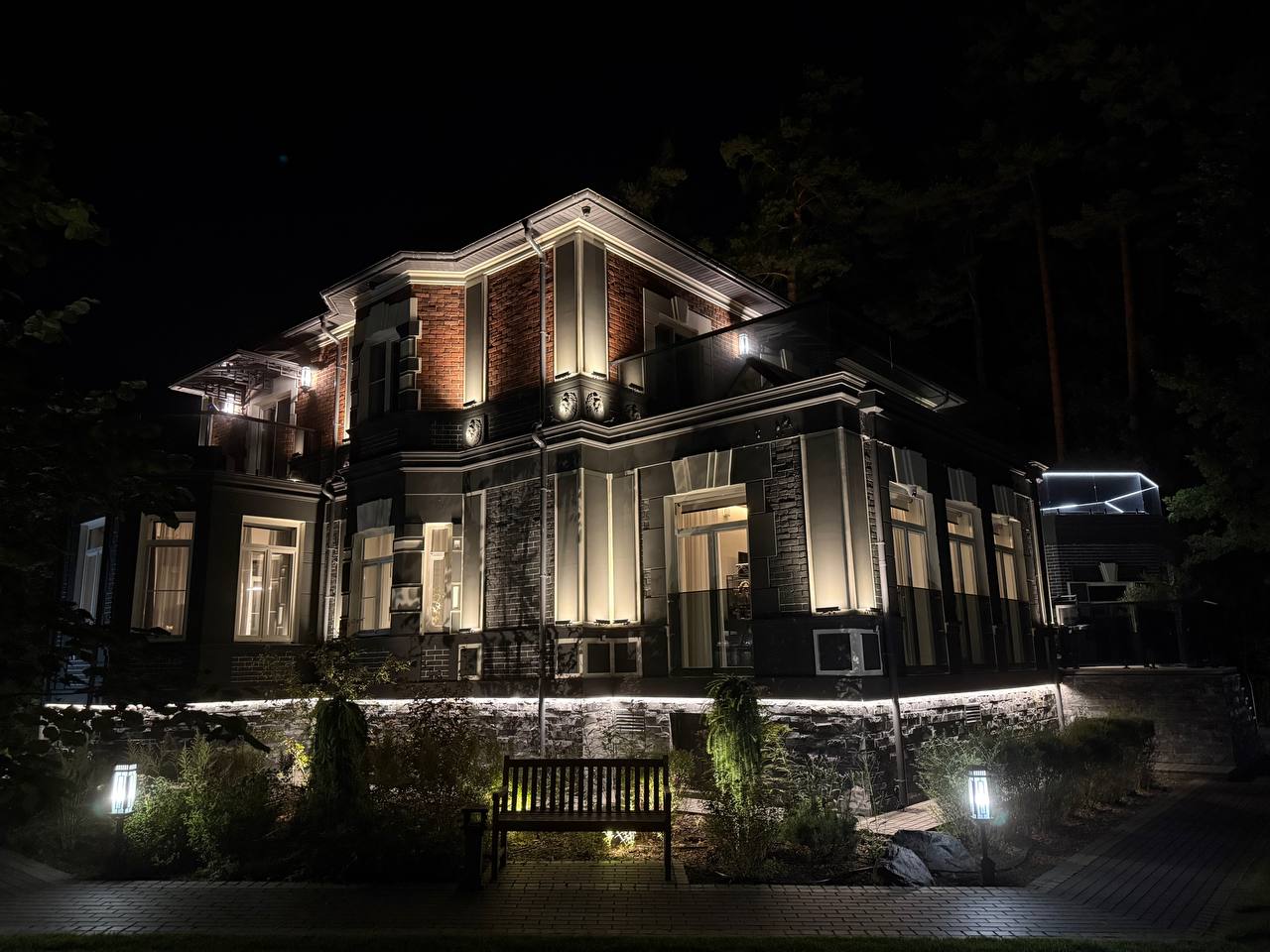
Private residence, 860 m² — KNX across three bus lines
Basement plus two floors on three bus lines, 15 main groups and a reserve that survived four years of changes.
Private residence, 1 600 m² — KNX on four lines split by site zone
A three-year build handed over with all 1 877 group addresses named — a project another engineer can pick up without us.
Private residence, 1 100 m² — four Modbus segments, four homes
The owner reassigns his own switch keys through a web interface, without an integrator. Four Modbus segments appear in the app as four separate homes.